We take all Denti-Cal & PPO plans. We see all ages.

We take all Denti-Cal & PPO plans. We see all ages.
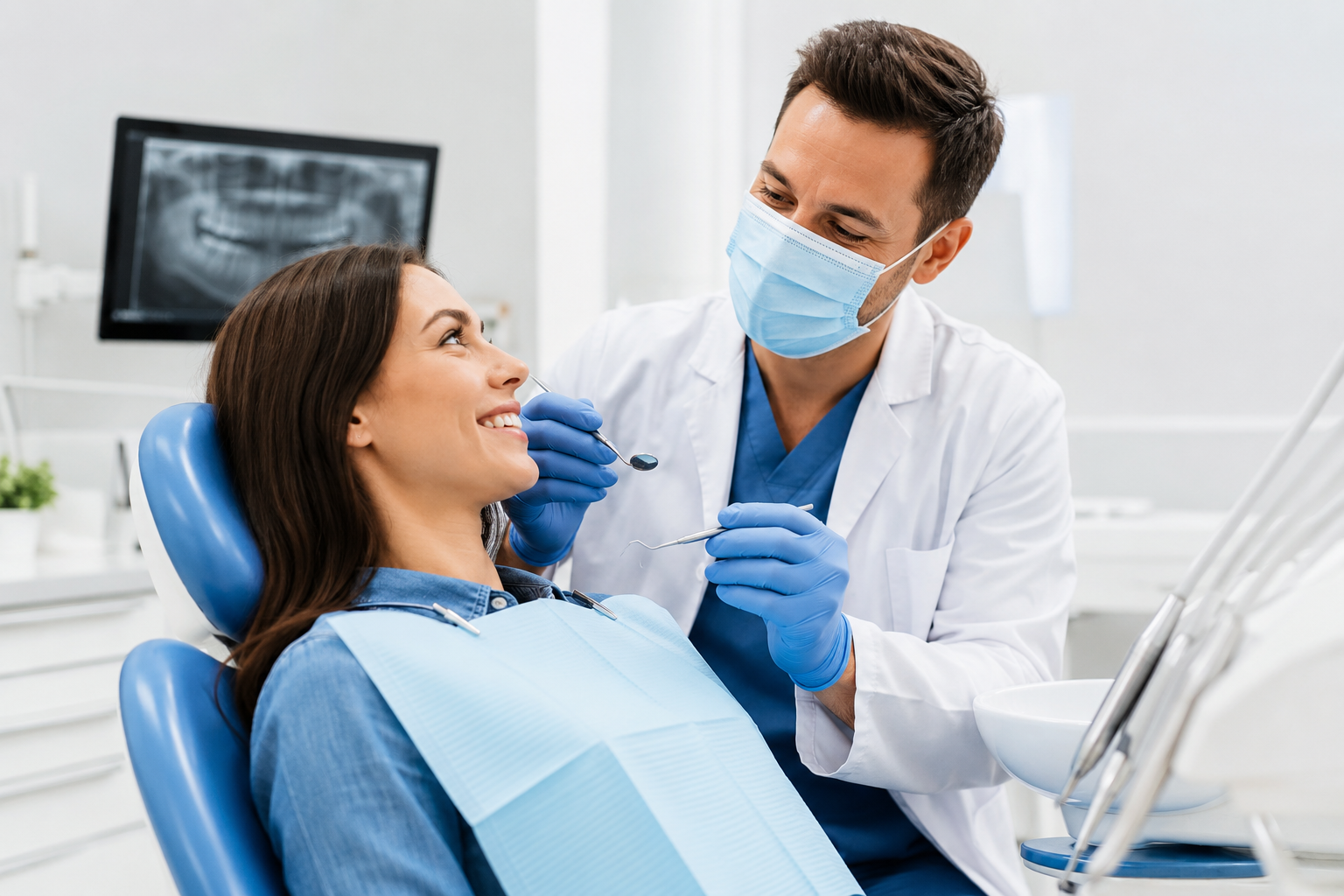
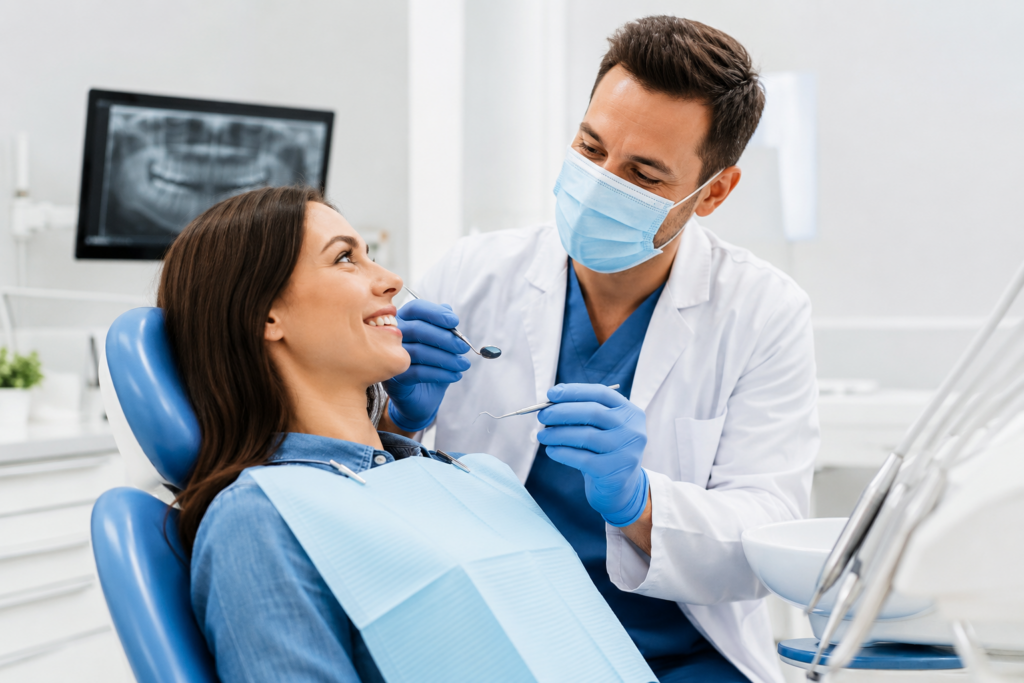
You may be thinking about improving your smile and wondering what options Encino, CA offers. They can explore veneers, teeth whitening, orthodontics, dental implants, and bonding—each tailored to address different concerns like discoloration, gaps, misalignment, or missing teeth. A personalized consultation in Encino will quickly identify which combination of treatments gives the most natural, long-lasting improvement for your smile.
The article explains how modern cosmetic dentistry works, what to expect during treatment, and how to choose a trusted local dentist who focuses on comfort and predictable results. It also covers benefits, common questions, and steps to take so you can feel confident moving forward with a plan that fits your goals and lifestyle.
A smile makeover combines cosmetic and restorative dentistry to improve appearance, function, and oral health. It often blends veneers, whitening, orthodontics, implants, and gum reshaping tailored to the patient’s goals and dental needs.
A smile makeover is a customized treatment plan that addresses multiple dental concerns at once. Dentists evaluate tooth color, alignment, bite, gum line, and missing teeth to design a cohesive outcome.
The process usually starts with a consultation, digital photos, X-rays, and sometimes 3D scans or mock-ups so patients can preview results. Treatment may sequence from least to most invasive: whitening and bonding, then veneers or crowns, and finally implants or orthodontics if needed.
Costs, timeline, and maintenance vary by procedures chosen; for example, at-home whitening runs weeks, veneers require two to three visits, and implants span several months. The goal remains a natural-looking, functional smile that fits the patient’s face, age, and lifestyle.
Anyone unhappy with the look or function of their teeth can benefit, though specific recommendations depend on oral health. Patients with stained teeth, small chips, gaps, worn edges, or a single missing tooth are common candidates.
People with bite problems or uneven gum lines may combine orthodontics or periodontal work with cosmetic fixes. Age-related changes like discoloration or enamel wear also respond well to targeted cosmetic-restorative blends.
Medical conditions like uncontrolled gum disease or untreated decay must be managed first; once oral health is stable, most adults can pursue enhancements. Dentists consider budget, timeline, and maintenance ability when advising on the best route forward.
Smile makeovers tackle a range of issues: discoloration, misalignment, missing teeth, chipped or worn teeth, uneven gum lines, and bite problems. Each concern maps to specific treatments — for example, whitening or porcelain veneers for stains, clear aligners for mild to moderate alignment, and implants for tooth replacement.
Dentists often mix procedures: crown lengthening to correct gummy smiles, composite bonding to repair chips, and full-mouth reconstruction for severe wear. Practical considerations matter: longevity (veneers and crowns can last 10–20 years), recovery time (implant surgery requires healing), and daily care (nightguards for grinders).
Patients receive clear estimates of steps, expected results, and maintenance, so they know when to schedule treatments and how to protect their investment in the long term.
This section highlights common, effective cosmetic options that improve color, shape, alignment, and minor surface flaws. Each treatment balances aesthetic goals with tooth health and typically involves a short consultation and some preparatory work.
Teeth whitening in Encino often uses either in-office bleaching or dentist-prescribed take-home trays. In-office systems use higher-concentration hydrogen peroxide plus light or heat to lift deep stains in a single 45–90 minute visit, delivering noticeable results quickly for coffee, wine, or tobacco discoloration.
Take-home trays use custom-fitted acrylic or polyurethane trays with lower-concentration gel for nightly or daily wear over 1–2 weeks. They provide gradual, controlled whitening and are gentler on sensitive teeth. Dentists evaluate enamel thickness and existing restorations first, since crowns and veneers won’t change color with bleaching.
Side effects are usually temporary tooth sensitivity or gum irritation; dentists mitigate these with desensitizing agents and tailored wearing schedules. Maintenance often requires touch-ups every 6–12 months depending on diet and habits.
Porcelain veneers are thin ceramic shells bonded to the front of teeth to correct chips, gaps, discoloration, and minor misalignment. Preparation usually removes 0.3–0.7 mm of enamel per tooth, takes two visits (prep and final bonding), and involves shade selection and mock-ups to preview results.
Veneers resist staining and mimic natural enamel translucency, producing highly aesthetic, long-lasting results—typically 10–15 years with good care. They require healthy underlying teeth; any decay or gum disease is treated before veneer placement to ensure a secure bond.
Patients should expect temporary sensitivity after prep and must avoid biting very hard objects to reduce risk of fracture. Replacement involves removing the old veneer and bonding a new one; regular dental exams and cleanings preserve fit and appearance.
Dental bonding uses tooth-colored composite resin to repair small chips, close tiny gaps, or reshape a tooth in a single visit. The dentist roughens the tooth surface, applies bonding agent, sculpts the resin, and cures it with a light—usually completed in 30–60 minutes per tooth.
Bonding offers a conservative, cost-effective alternative to veneers for patients seeking quick cosmetic fixes without enamel removal. The material matches tooth shade but is softer than porcelain; it can stain over time and may need occasional polishing or touch-ups.
Ideal candidates have localized flaws rather than widespread cosmetic concerns. Proper oral hygiene and avoiding stain-causing foods or habits lengthen the life of bonding, which typically lasts 4–8 years before repair or replacement.
Clear aligners provide discreet orthodontic correction using a series of custom, removable trays that shift teeth incrementally. Providers in Encino use digital scans to plan movements and produce aligner sets worn 20–22 hours daily, with changes every 1–2 weeks.
Treatment time ranges from a few months for minor crowding to 12–24 months for more complex cases. Aligners work well for mild to moderate spacing, crowding, and some bite issues, but severe skeletal problems may still require braces or surgical consultation.
Aligners support oral hygiene because trays remove for eating and brushing, reducing decay risk during treatment. Success depends on patient compliance; dentists or orthodontists monitor progress with periodic check-ins and refinements if necessary.
Selecting a smile makeover balances your dental health, aesthetic goals, budget, and timeline. A clear treatment plan, realistic expectations, and a preview of results help patients choose confidently.
A dentist in Encino begins with a focused exam: digital X-rays, intraoral photos, and a bite analysis. They document tooth position, enamel condition, gum health, and any existing restorations to determine which procedures suit the patient.
They create a prioritized plan that may combine treatments—teeth whitening, porcelain veneers, composite bonding, orthodontics, or dental implants. Each step lists goals, sequence, and estimated time; for example, whitening before veneers, or implant placement after bone grafting.
The plan includes cost estimates, insurance considerations, and financing options. It also outlines maintenance—night guards, hygiene visits, or replacement schedules—so patients know long-term responsibilities.
Medical and dental history matters: uncontrolled periodontal disease or bruxism can change recommended options. Patients with thin enamel may be steered from aggressive veneer prep toward conservative bonding.
Aesthetic aims should be specific: desired tooth shade (use VITA shade guide numbers), preferred tooth length, and smile line examples. Sharing photos of smiles the patient likes helps the dentist match proportions and facial features.
Practical constraints affect choices. Immediate smile improvement favors bonding or same-day crowns, while implants require months for healing. Budget and willingness to undergo multiple appointments also shape the final recommendation.
Digital smile design (DSD) and mock-ups let patients see proposed changes on their own photos. The lab or CAD software produces before-and-after images and a 3D preview that can be adjusted for tooth shape, color, and alignment.
A clinical mock-up places temporary composite on teeth so patients can test feel, speech, and appearance in the mouth. This trial run clarifies comfort and esthetics before committing to irreversible work.
Discuss expected lifespan, maintenance, and minor adjustments during the preview phase. If something doesn’t feel right, the dentist revises the plan until the patient feels comfortable moving forward with treatment.
Modern cosmetic dentistry delivers improved appearance, stronger teeth, and more comfortable treatments using materials like zirconia and porcelain. It also shortens recovery times and offers predictable outcomes through digital planning and same-day restorations.
Patients report clearer social and professional benefits after cosmetic work such as porcelain veneers, tooth-colored crowns, and Invisalign aligners. A well-matched veneer set corrects shape and color, letting patients smile without hiding chipped or stained teeth.
Dental whitening lifts intrinsic and extrinsic stains in one or two sessions, restoring natural brightness quickly. For crooked teeth, clear aligners straighten discreetly over months, improving bite function and esthetics without metal brackets.
Dentures and implant-supported prostheses restore missing teeth and facial support, reducing the hollowed look that accompanies tooth loss. With predictable color-matching and contouring, modern restorations help patients feel more confident speaking, laughing, and eating in public.
Cosmetic procedures often coincide with restorative care that removes decay and strengthens teeth. For example, replacing old metal fillings with bonded composite restores tooth structure and seals margins to reduce recurrent decay.
Correcting alignment with orthodontics or Inman aligners distributes bite forces evenly, which lowers wear, fractures, and TMJ stress. Implants replace root function, preserving bone and preventing the shifting of adjacent teeth that leads to periodontal problems.
Dentists pair cosmetic work with hygiene plans: professional cleanings, fluoride or desensitizing treatments, and tailored at-home care. These measures protect new restorations and extend their lifespan while improving overall periodontal health.
Advanced materials and digital workflows enable precise color matching, translucency control, and anatomy replication. Porcelain veneers and layered ceramics mimic enamel reflection and translucency, producing results that blend with natural dentition.
Intraoral scanners and CAD/CAM milling create restorations that fit tightly, reducing gaps where bacteria collect. Shade guides and digital photography allow dentists to match restorations to adjacent teeth under real-world lighting.
For implants, custom abutments and prosthetic design recreate gum contours and papillae, avoiding the artificial “too-white” or bulky look. The result reads as authentic teeth rather than obvious dental work, making esthetic improvements feel understated and comfortable.
Patients will receive a clear plan, personalized comfort measures, and practical aftercare instructions. Visits typically combine digital planning, conservative tooth preparation when needed, and staged appointments for restorations or whitening.
The practice prioritizes comfort with several specific measures. Each patient meets with a treatment coordinator who reviews anxiety-reduction options such as nitrous oxide, oral sedation, or simple topical/local anesthetic protocols depending on the procedure.
Dental teams use numbing gel before injections and modern, slow-delivery syringes to minimize pain during anesthetic administration. They also offer heated blankets, noise-cancelling headphones, and chair-positioning adjustments to reduce physical discomfort for longer appointments.
Clinicians monitor vital signs for moderate sedation cases and provide explicit pre-appointment fasting and medication instructions. For patients with dental fear, providers schedule shorter first visits and explain each step aloud. These steps reduce surprises and help patients stay relaxed throughout treatment.
Initial consultation: digital photos, intraoral scans, and a CBCT or panoramic X-ray if implants or complex bone assessment are considered. The dentist reviews options—veneers, crowns, whitening, orthodontics, or implants—and produces a treatment timeline with estimated number of visits.
Single-tooth restorations (crowns/veneers) usually need 2–3 visits over 2–4 weeks: preparation, provisional restoration, and final seating. Porcelain veneers commonly require minimal enamel reduction and a lab turnaround of 7–14 days.
Teeth whitening appointments can finish in one 60–90 minute session or with a two-week take-home kit using custom trays. Clear aligner therapy starts with a scan and then sequential aligners delivered every 1–2 weeks; total treatment often runs 6–18 months. Implant treatment spans 3–9+ months when bone grafting and osseointegration are needed; staged visits include implant placement, healing, and prosthetic attachment.
Follow specific oral hygiene guidance: brush twice daily with a soft brush and fluoride toothpaste, floss once daily, and use any prescribed antibacterial rinse for one week after surgery. For temporary restorations, avoid sticky or hard foods and report any looseness promptly.
For whitening, avoid staining foods and beverages for 48–72 hours and use touch-up trays as recommended every few months. Veneers and crowns require the same care as natural teeth but also benefit from night guards if the patient grinds teeth.
Schedule regular hygiene visits every 3–6 months as advised; the clinic will set recall intervals based on gum health and restorative work. Contact the office for sensitivity, swelling, or prosthetic issues—timely follow-up prevents minor problems from becoming major repairs.
Choosing a dental expert involves evaluating training, results, patient comfort, and clear communication. The next parts explain which professional qualities matter most and which specific questions to ask during a consultation.
Look for a dentist with advanced training in cosmetic procedures such as veneers, bonding, and full-mouth rehabilitation. Board certifications, continuing education in aesthetic dentistry, and membership in organizations like the American Academy of Cosmetic Dentistry indicate ongoing expertise.
Prioritize proven clinical results. Request before-and-after photos of cases similar to yours, and read recent patient reviews that mention long-term outcomes, comfort during procedures, and follow-up care. Check whether the practice uses digital imaging and intraoral scanners for precise planning.
Assess the practice environment for patient comfort and safety. Modern sterilization standards, sedation options, and on-site or partnered specialists (periodontists, endodontists, lab technicians) improve outcomes. Clear treatment plans with cost estimates, timelines, and maintenance instructions show professionalism and respect for patient decisions.
Ask about the dentist’s specific experience with the procedure you want. Request the number of similar cases performed in the last year and ask to see detailed case photos that match your concerns (tooth shape, color, alignment).
Clarify the proposed treatment sequence and alternatives. Ask which steps are irreversible, which are cosmetic-only, and how long results typically last. Inquire about risks, common complications, and the protocol for managing them.
Discuss costs, financing, and aftercare specifics. Get an itemized estimate, ask what warranty or touch-up policy exists for restorations, and confirm follow-up visit schedule. Finally, ask how the practice manages patient comfort—sedation choices, local anesthesia techniques, and pain-control expectations during recovery.
A quick consultation begins the process. The dentist listens to goals, reviews medical and dental history, and performs an exam to identify priorities like whitening, alignment, or restorative work.
They often use digital photos and intraoral scans to show current issues and possible outcomes. Visual tools help patients understand treatment options and expected timelines.
Next comes a personalized treatment plan that matches cosmetic goals with oral health needs. Plans commonly combine preventive care, minimally invasive procedures, and aesthetic treatments like veneers or clear aligners.
Costs and scheduling get discussed plainly so patients can make informed choices. Financing or phased treatment options are available when budget or time is a concern.
A pre-treatment visit can include a hygiene appointment to ensure a healthy foundation. Comfort measures, sedation options, and step-by-step explanations reduce anxiety and set realistic expectations.
Many practices offer before-and-after galleries and patient testimonials to build confidence. Seeing real results helps patients decide whether to proceed.
Encourage scheduling an initial consultation to explore options and ask questions. The dental team guides patients through each step toward a brighter, healthier smile.
This section answers practical questions about common smile makeover choices in Encino, CA: which treatments address specific concerns, typical costs and timelines, how natural results look, and options for anxious patients.
A smile makeover often combines treatments such as porcelain veneers, composite bonding, professional whitening, orthodontics (clear aligners), gum contouring, and dental implants for missing teeth.
The dentist evaluates bite, tooth color, shape, alignment, gumline, and any restorations to build a personalized plan.
Diagnostic tools include photos, digital scans, X-rays, and a smile-design mockup to pinpoint priorities like closing gaps, correcting chips, or brightening color.
A consultation and exam determine which procedures are necessary versus cosmetic preferences.
Typical ranges in Encino vary widely: simple whitening and bonding cases can run a few hundred to a few thousand dollars, while full-mouth veneer or implant-based makeovers often range from $10,000 to $40,000 or more.
Costs depend on materials (e.g., high-quality porcelain vs. composite), number of teeth treated, need for restorations or implants, and use of specialty labs.
Additional factors that raise cost include complex bite correction, sedation, CBCT scans, or extensive gum surgery.
Insurance rarely covers purely cosmetic work, but restorative elements (crowns, implants) may get partial coverage — patients should check benefits beforehand.
Timelines vary by treatment complexity: whitening or limited bonding can finish in one to two visits, while veneers or implant cases often require several appointments over weeks to months.
A typical veneer case involves consultation, preparatory imaging and mockup, tooth preparation and temporary restorations, then a final bonding visit about 2–3 weeks later.
Implant treatments need healing time after placement — often 3–6 months before final crowns — and orthodontic cases take many months to a few years depending on tooth movement.
The practice usually provides a clear schedule at consultation so patients know how many visits to expect.
Modern materials and digital smile design allow very natural-looking outcomes that match tooth translucency, shape, and shade to facial features.
Dentists provide digital previews, wax-ups, or temporary restorations so patients can see and feel the proposed result before committing.
Customization includes adjustments to color, length, and contour to avoid an overly “made” look and to suit the patient’s facial proportions.
Patients should request previews and ask for photos of similar cases to ensure the proposed aesthetics match their expectations.
Teeth whitening addresses only color; it won’t change shape, close gaps, or repair chips.
Composite bonding repairs chips and small gaps quickly and conservatively, often in one visit, but may stain or chip sooner than porcelain.
Porcelain veneers provide durable shape correction, gap closure, and long-lasting shade stability, making them ideal for multiple cosmetic issues.
Clear aligners or braces correct alignment and bite problems when gaps or unevenness stem from tooth position rather than surface defects.
Many practices in Encino offer comfort options: nitrous oxide, oral sedation, IV sedation, and extended appointment times to reduce pressure.
Talk to the dental team about phobia, previous negative experiences, and medical history so they can tailor comfort measures.
Other helpful steps include guided breathing, listening to music or audiobooks during treatment, and scheduling morning appointments when patients feel less fatigued.
A pre-visit consultation and viewing treatment rooms can also reduce uncertainty and build trust; ask about sedation options and recovery expectations during the initial visit.