We take all Denti-Cal & PPO plans. We see all ages.

We take all Denti-Cal & PPO plans. We see all ages.
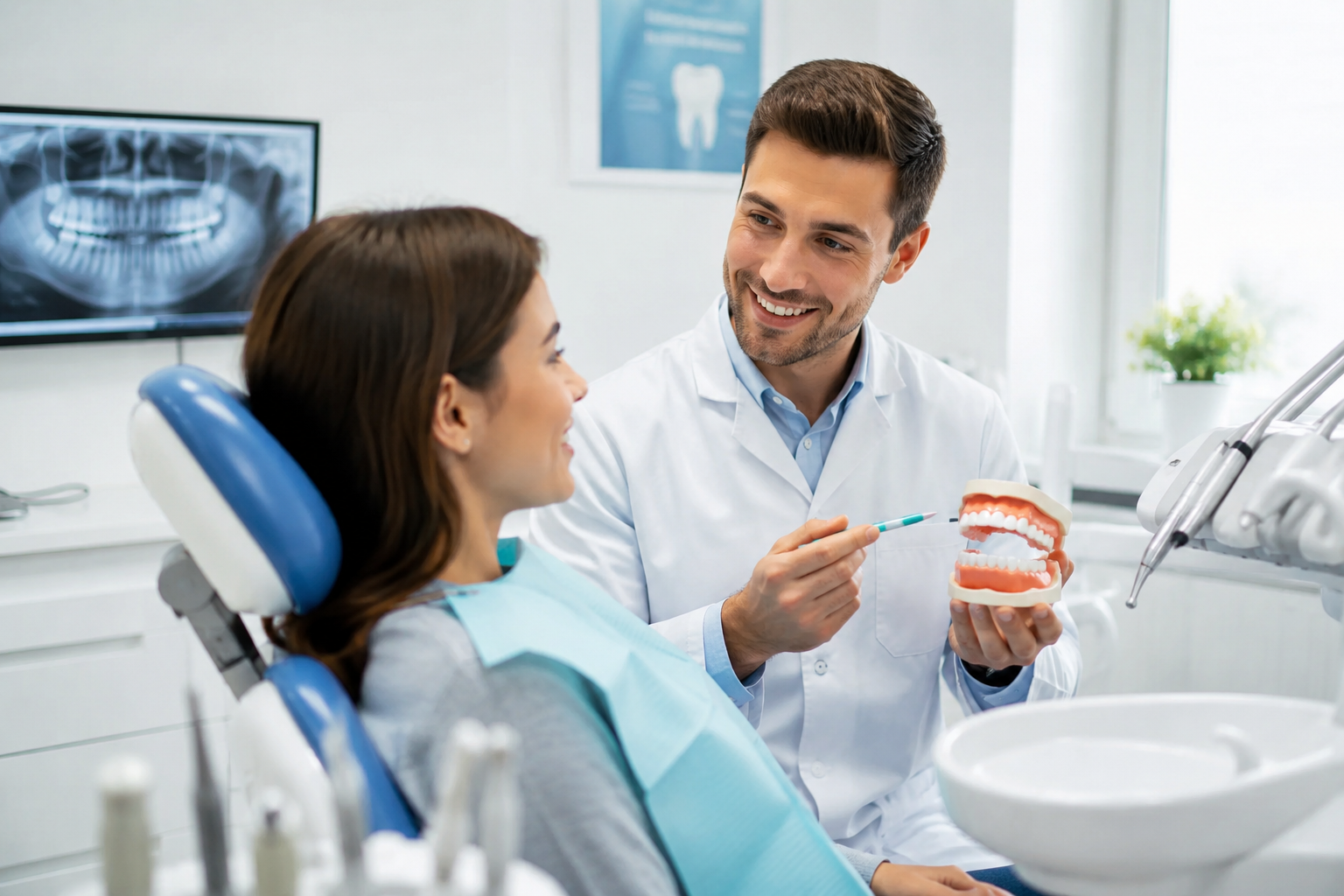
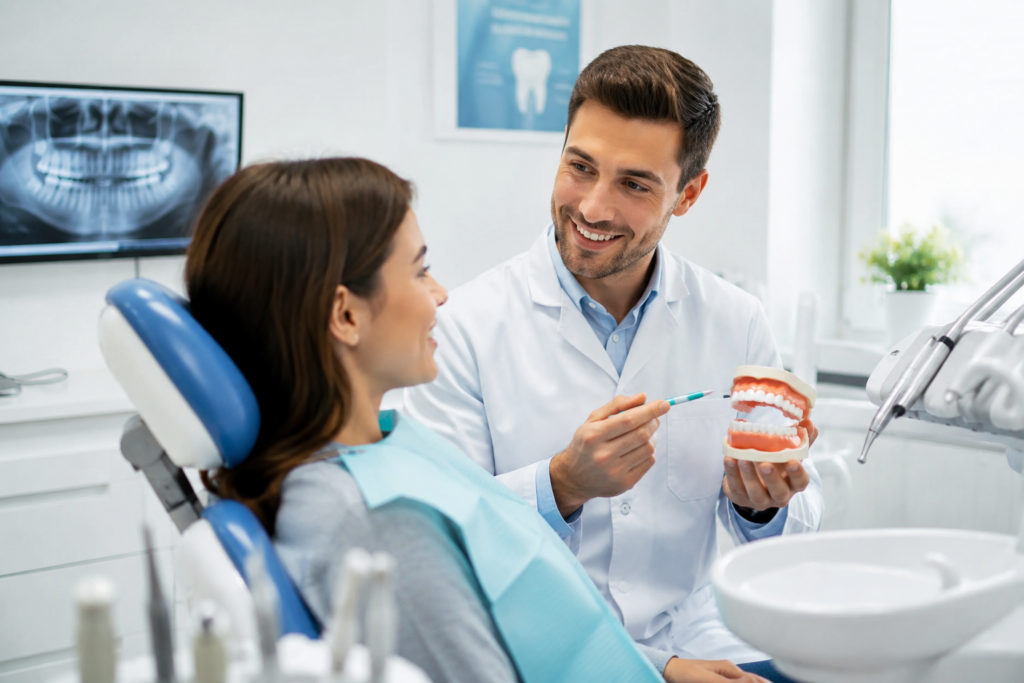
Looking for Invisalign options in Encino? They can straighten teeth with nearly invisible, removable aligners that fit your lifestyle and schedule. You can get a customized Invisalign plan in Encino that balances comfort, convenience, and predictable results.
This article explains how Invisalign works, how to choose the right plan in Encino, what the treatment timeline looks like, and how to care for your aligners so you stay comfortable throughout treatment. It also covers cost, insurance and financing choices, introduces local Invisalign specialists, and outlines clear next steps to start your smile transformation.
Invisalign straightens teeth using nearly invisible, removable aligners that focus on comfort, appearance, and predictable tooth movement. Patients in Encino can expect fewer emergency visits, easier oral hygiene, and treatment plans tailored with digital scans and scheduled aligner changes.
Invisalign aligners are smooth, custom-molded trays of clear thermoplastic that sit over teeth. They avoid metal brackets and wires, which reduces soft-tissue irritation and the need for emergency appointments to fix poking wires.
Because the aligners are transparent, they are far less noticeable in photos and conversation. Many adults and teens choose Invisalign for professional settings or special events where appearance matters.
Patients usually report less soreness overall, though they may feel pressure during the first few days of a new tray. Pain is typically milder and shorter in duration than the adjustment periods with traditional braces.
Maintenance is simpler: remove aligners to eat, brush, and floss normally. That lowers the risk of cavities and staining that can occur around braces if oral hygiene slips.
Treatment begins with a digital scan or 3D impression to create a precise model of the teeth. The orthodontist maps a step-by-step plan showing each small tooth movement from current alignment to the intended result.
A series of aligners is fabricated, each one moving teeth about 0.25–0.33 mm and adjusting root angulation as needed. Patients typically wear each set 20–22 hours per day and switch trays every 1–2 weeks as directed.
Attachments—small tooth-colored bumps bonded to select teeth—help the aligner grip and apply force for rotations or vertical movements. Elastic bands may be added to correct bite relationships when required.
Progress is monitored through periodic checkups or remote scans. The combination of predictable 3D planning and frequent, small movements yields efficient, controlled results.
Most mild-to-moderate crowding, spacing, and some bite issues resolve well with Invisalign when patients follow wear-time instructions. Typical treatment spans from 6 to 18 months depending on complexity.
Final outcomes depend on case severity, patient compliance, and the use of retainers after active treatment. Without retainers, relapse is possible; clear or fixed retainers maintain alignment long term.
Patients often notice improved chewing, easier cleaning, and a confidence boost once teeth align. The provider will review realistic expectations, potential need for refinements, and any adjunctive procedures like interproximal reduction or attachments to optimize results.
Patients should expect clear options, predictable timelines, and personalized care when selecting an Invisalign plan in Encino. Local providers balance clinical assessments, lifestyle needs, and budget to recommend the best pathway for each smile.
Providers commonly offer Invisalign Full, Invisalign Lite, and Invisalign Express. Invisalign Full handles moderate to complex crowding, spacing, and bite issues with unlimited aligners and comprehensive movement planning. Invisalign Lite suits mild-to-moderate corrections, typically with a limited number of aligners and a shorter treatment window. Invisalign Express (or i7) targets very minor alignment problems or relapse cases, often completed in a few months.
Many Encino practices also provide Invisalign Teen with built-in compliance indicators and options for replacing lost trays. Some clinics integrate adjuncts like attachments, interproximal reduction (IPR), or rubber bands to manage rotations and bite corrections. Fees, expected duration, and appointment cadence vary by practice, so patients should request a detailed treatment plan and cost estimate before committing.
Clinicians start with a digital scan and clinical exam to map tooth positions, bite relationships, and periodontal health. They use the scan to simulate expected movements and produce a ClinCheck or treatment preview, showing step-by-step aligner stages and estimated months of wear. This visualization helps set realistic expectations for outcomes and timelines.
Treatment plans adapt to patient priorities: faster cosmetic alignment, comprehensive bite correction, or minimally invasive changes. Providers consider gingival health, previous dental work, and habits like grinding. They also outline maintenance: retainer recommendations, follow-up intervals, and how to manage common issues like sore spots or lost trays.
Invisalign works for many teens and adults but clinical suitability depends on specific tooth movements and growth stage. Teens benefit from Teen-specific features—eruption compensation, compliance indicators, and flexible replacement policies—making it a reliable choice during mixed dentition or late adolescent development. Parents should verify the provider’s experience treating adolescents and discuss retention plans.
Adults often seek Invisalign for aesthetic reasons or long-standing bite concerns. Treatment must account for restorations (crowns, veneers) and periodontal status; active gum disease should be controlled before aligner therapy. Many Encino specialists coordinate with restorative or periodontal colleagues when needed to ensure comprehensive care and predictable results.
Patients will learn what happens at their first visit, how fittings progress, and how progress is tracked and adjusted throughout treatment. The process focuses on clear aligner impressions, scheduled aligner changes, and periodic monitoring to ensure safe tooth movement and predictable results.
The initial visit starts with a focused exam and records: digital photos, a 3D intraoral scan, and a panoramic X-ray when indicated. The clinician reviews bite relationships, gingival health, and any restorative needs to confirm Invisalign is appropriate.
Treatment goals get translated into a personalized plan using ClinCheck (the 3D treatment simulation). The simulation shows projected tooth movements and estimated treatment length, so patients can approve the plan before aligners are made.
Financial options and appointment cadence are discussed clearly. Staff explains aligner wear time (20–22 hours daily), hygiene routines, and any pre-treatment steps such as interproximal reduction or attachments.
The first set of aligners is delivered once the aligner trays arrive from the lab, often two to four weeks after the scan. The clinician fits attachments if needed and verifies that the first tray seats fully using fit checks and patient feedback.
Subsequent fitting visits are brief, usually 10–20 minutes. The team confirms fit, reviews insertion and removal techniques, and answers questions about comfort and soreness management with OTC pain relievers or orthodontic wax.
Patients receive multiple sets to change at home every one to two weeks unless the plan specifies otherwise. The provider outlines emergency contacts for lost trays, severe pain, or broken attachments.
Progress visits typically occur every 6–10 weeks for most cases, but frequency varies by case complexity. At each visit the clinician inspects tooth movement, checks soft tissue health, and updates the treatment timeline if necessary.
If teeth are not tracking as planned, the provider can implement refinements: additional trays, new scans, or minor adjustments like bond replacement. Aligners can also be recalibrated in the ClinCheck software to address specific tipping or rotation issues.
Patients track daily wear and report fit issues between visits via the practice’s communication channels. Clear instructions on retainer wear after active treatment are provided to maintain results long term.
Aligners need daily cleaning, careful handling, and simple habits to stay clear and effective. Regular rinsing, gentle brushing, and avoiding staining foods preserve fit and appearance.
They should rinse aligners under lukewarm running water each time they are removed to wash away saliva and debris. Twice daily, brush aligners gently with a soft-bristled toothbrush and mild, clear liquid soap; avoid toothpaste because it can scratch and dull the plastic.
Soak aligners for 10–15 minutes every other day using a manufacturer-approved cleaner or a diluted denture/retainer solution to remove buildup. After soaking, rinse thoroughly before reinserting to avoid chemical taste or irritation.
Store aligners in their ventilated case whenever not worn to prevent loss and reduce bacterial growth. Keep the case clean by wiping it daily and air-drying; replace it if it cracks or smells persistently.
Avoid hot water, colored mouthwash, and abrasive cleaners; these warp, stain, or damage the trays. Bring aligners and case to dental visits so the clinician can inspect fit and cleanliness.
Do wear aligners 20–22 hours per day for consistent tooth movement; remove only for eating, drinking anything other than water, and oral hygiene. They should fit snugly without persistent gaps; report loose trays to the provider promptly.
Do remove aligners before consuming hot beverages, acidic drinks, or staining foods such as coffee, red wine, curry, or tomato sauce. Brush and floss teeth before reinserting aligners to prevent trapped food from causing decay or odor.
Don’t clean with colored or abrasive toothpaste, mouthwash, or household cleaners like bleach. Don’t use boiling water or place trays near heat sources, because plastic can deform and stop tracking tooth movement.
Do carry a spare case and a travel hygiene kit (toothbrush, toothpaste, small rinse) to maintain routine on the go. Do contact the dental office if an aligner cracks, causes persistent pain, or no longer seats properly; early intervention avoids treatment delays.
Costs, coverage, and payment options affect many patients’ decisions about Invisalign in Encino. Clear, specific figures and local insurance practices help patients weigh choices and plan treatment.
Invisalign pricing in Encino typically ranges from $3,500 to $8,000 depending on case complexity. Minor cosmetic adjustments often fall near the lower end; full bite correction or jaw alignment cases push toward the higher end because they require more aligners and longer treatment time.
Office fees vary by practice. Consultations, digital scans, retainers, and follow-up visits can be bundled or billed separately, so patients should request a written estimate that itemizes: initial exam, digital impressions, aligner sets, refinement trays, and retention.
Ask about average treatment length and number of aligner sets for similar cases at the specific office. That gives a realistic cost-per-month expectation and avoids surprises from mid-treatment refinements.
Many dental plans offer partial coverage for orthodontics, but coverage for Invisalign varies by insurer and plan. Typical coverage caps range from $1,000 to $3,500 lifetime maximums for orthodontic treatments; some plans exclude adult orthodontics entirely.
Encino offices can verify benefits and submit claims directly. Patients should obtain a pre-treatment benefits estimate from their insurer that lists covered codes (e.g., D8070/D8080 or specific Invisalign codes), remaining lifetime maximums, and any age restrictions.
If Medicaid/CHIP or employer plans are involved, coverage rules differ; California’s Medi-Cal rarely covers adult cosmetic orthodontics. Patients should confirm network status too, since out-of-network benefits may reduce reimbursement.
Most Encino Invisalign providers offer in-office payment plans and work with third-party financing companies like CareCredit, LendingClub Patient Solutions, or Practice-specific plans. Typical in-office options include 0% interest for 6–12 months or low-interest plans over 12–36 months.
CareCredit and similar lenders allow fixed monthly payments; approval depends on credit score and income. Patients should compare APR, term length, and any origination fees.
Ask the office for an example amortization schedule showing monthly payment, APR (if any), and total paid over the term. Many practices will apply a treatment start discount for upfront payment or a family discount when multiple members pursue treatment.
Encino patients can expect clinicians who combine clear clinical credentials with a practical focus on comfort, predictable outcomes, and convenient scheduling. The specialists below prioritize precise digital planning, transparent pricing, and care plans tailored to daily life — such as treatment timing around school, work, or special events.
The Encino Invisalign providers include board-licensed general dentists and orthodontists with certified Invisalign training and years of aligner-specific experience. Many use 3D intraoral scanners (iTero or similar) to capture accurate models in minutes, which reduces retakes and speeds up aligner fabrication.
Clinics often list the number of completed Invisalign cases and show before‑and‑after examples, so patients can assess real outcomes for crowding, spacing, and bite correction.
Most practices coordinate with dental specialists when cases require attachments, IPR (interproximal reduction), or elastics, ensuring complex movements have expert oversight. They typically offer digital treatment simulations so patients see projected results and a week-by-week timeline before committing.
Encino teams provide a structured follow-up schedule: initial bonding/first aligner visit, checkups every 6–10 weeks, and a mid-treatment review with new impressions if needed. Emergency or same-week appointment policies are common for aligner issues like severe soreness, a broken attachment, or a lost tray.
Many offices supply detailed wear protocols, cleaning instructions, and habit tips (e.g., eat with trays out, store trays in labeled cases) to prevent delays and reduce discomfort.
Financial counselors on staff explain insurance coverage, FSA/HSA use, monthly payment plans, and any refundable retainer fees. They also coordinate with orthodontists for difficult biomechanics and provide clear escalation paths if treatment deviates from the plan, keeping patients informed and treatment on schedule.
They schedule an initial consultation to review medical history and cosmetic goals. A quick oral exam and digital scans help determine whether Invisalign fits their needs.
They receive a clear treatment plan that outlines estimated duration, aligner changes, and costs. The plan often includes photos and a 3D preview so patients can see expected results before starting.
They discuss comfort and daily routine adjustments, such as wearing aligners 20–22 hours per day and simple cleaning tips. Small lifestyle changes make treatment manageable and preserve oral health.
They confirm insurance benefits and financing options to reduce out‑of‑pocket costs. Many practices offer payment plans or estimated benefits checks to simplify budgeting.
They begin with a set of custom aligners and follow scheduled check‑ins every 6–10 weeks. Progress is monitored, and adjustments are made if teeth respond differently than predicted.
They use retainers after active treatment to maintain alignment and protect the investment. Retention plans vary, so patients should follow their provider’s specific recommendations.
Common questions get answered at any visit, and concerns about discomfort or timing are addressed promptly. A friendly, knowledgeable dental team supports each step.
Ready to learn more or schedule an appointment? Contact the Encino practice to book a consultation, ask about financing, or request the 3D treatment preview.
This section answers cost, treatment length, differences between brands, effects on jaw pain, eating/drinking rules, and how to choose a local provider. Each answer gives realistic ranges, common exceptions, and what patients can expect at their first visit.
Clear aligner treatment in Southern California commonly ranges from $3,000 to $8,000. Mild cases leaning toward the lower end, while complex corrections with attachments, refinement stages, or combined orthodontic appliances push toward the higher end.
Insurance, the provider’s experience, use of in-office technologies (scans, 3D planning), and whether restorative work is needed all affect price. Payment plans, HSA/FSA use, and occasional promotional offers can reduce out‑of‑pocket costs.
Invisalign is a well-known brand with proprietary aligner materials, attachments, and a long record of clinical research. Other brands offer similar clear-plastic trays but may differ in material stiffness, digital planning software, price, and whether a licensed dentist or orthodontist supervises treatment.
The right choice depends on treatment complexity and clinician skill. Patients should prioritize a provider’s experience and case examples rather than brand alone.
Clear aligners can sometimes reduce jaw strain by improving bite alignment, but they are not a guaranteed TMJ cure. If jaw pain arises or preexisting TMJ symptoms exist, a clinician should evaluate the cause and monitor symptoms throughout treatment.
Providers may modify the plan, add appliances, or refer to a TMJ specialist if symptoms persist or worsen. Immediate reporting of new or increased pain ensures safer adjustments.
Mild crowding or spacing often resolves in 3 to 6 months. Moderate cases typically take 6 to 12 months.
Complex cases involving bite correction, rotations, or jaw discrepancies may require 12 to 24 months and occasional refinement phases. Compliance with wear-time recommendations directly affects treatment duration.
Patients should remove aligners for all eating and drinking except plain water to avoid staining, warping, and trapped sugars. Brush or rinse teeth before reinserting aligners to reduce decay risk.
Nicotine pouches and other oral tobacco products are not recommended; they can stain trays, contribute to gum disease, and impede healing after attachments or auxiliaries. Avoiding nicotine improves oral health and treatment outcomes.
Look for a provider with case examples similar to your needs, clear digital workflow (scanning and 3D planning), transparent pricing, and positive patient reviews. Board‑certified orthodontists or experienced dentists with extensive aligner cases often handle complex corrections better.
The first consultation usually includes a digital scan or impressions, photographs, a clinical exam, and a discussion of goals and timelines. The provider explains the proposed plan, shows a projected outcome when possible, and reviews costs, payment options, and next steps for starting treatment.