We take all Denti-Cal & PPO plans. We see all ages.

We take all Denti-Cal & PPO plans. We see all ages.
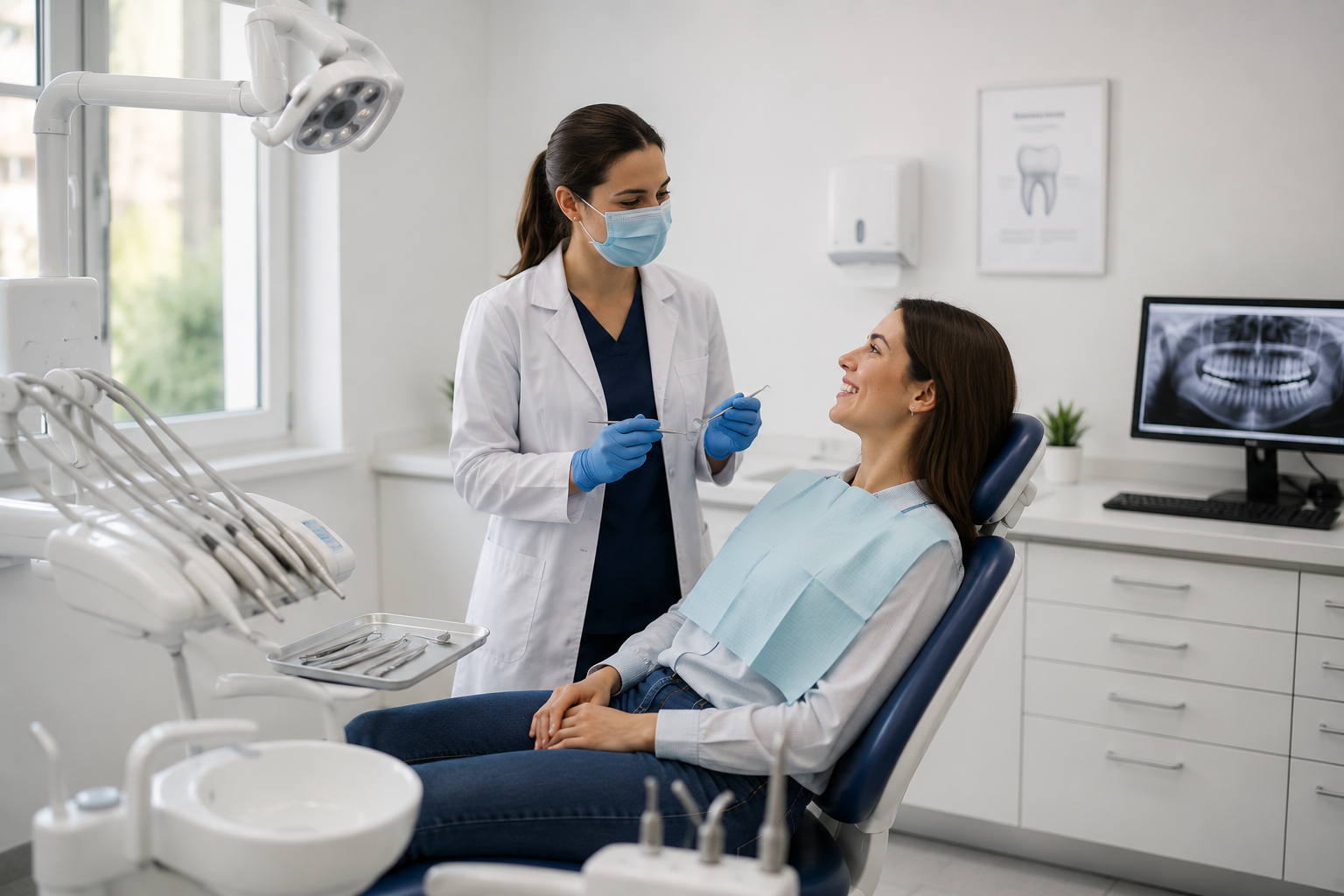
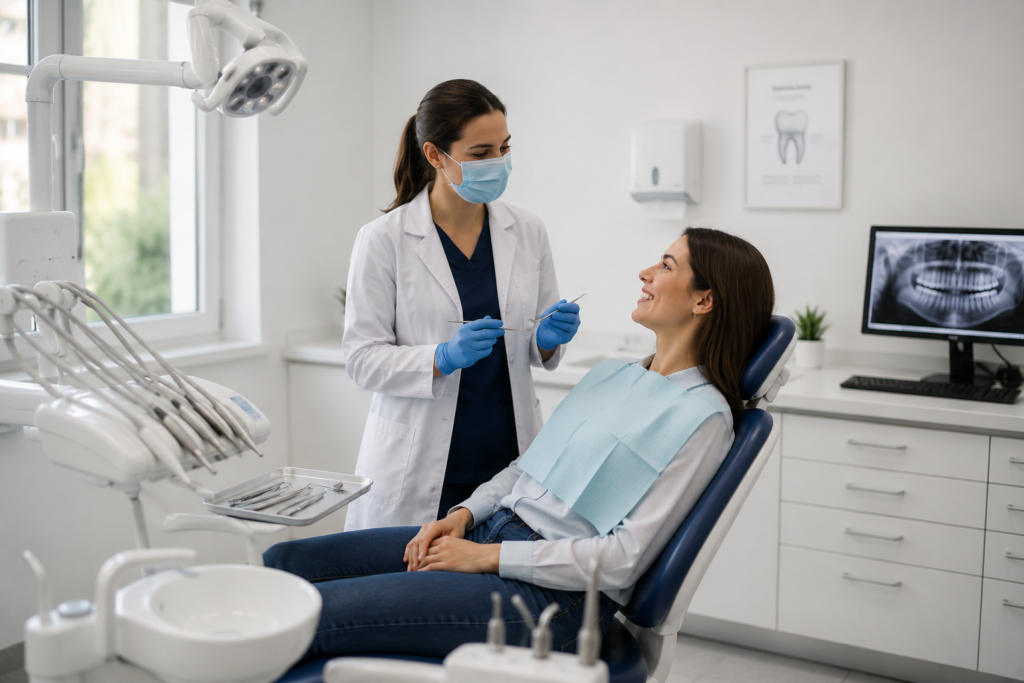
You visit a family dentist in Encino, CA because you want reliable care for everyone from toddlers to grandparents. A local family dentist can provide preventive care, gentle treatment, and same-practice continuity so your whole household gets consistent, convenient dental care.
They explain procedures in plain language, offer comfort-focused options like sedation or kid-friendly rooms, and coordinate care across ages to save you time and stress. This article outlines benefits, common services available in Encino, how to choose the right practice, and practical next steps so you can book with confidence.
A local family dentist offers consistent preventive care, practical scheduling, and treatment tailored to each age group. Patients gain familiarity with the clinic, access to same-community referrals, and streamlined records that speed up effective care.
A family dentist in Encino evaluates dental health across life stages and creates treatment plans that reflect both age-specific needs and family dental history. For children, they emphasize growth monitoring, fluoride application, and habit counseling to reduce cavities and orthodontic needs. For adults, they focus on gum disease prevention, routine restorations, and cosmetic options matched to lifestyle and enamel condition. For seniors, care includes denture management, dry mouth treatment, and screening for oral cancer and systemic links like diabetes. Records are kept within the same practice, so they can track changes over years and adjust preventive strategies accordingly.
They also coordinate care when multiple interventions are needed. For example, coordinating a child’s sealants and an adult’s crown treatment in the same visit reduces repeated travel and scheduling complexity. Insurance is typically handled at the office level, which helps optimize use of family benefits and keeps out-of-pocket surprises to a minimum.
A local dentist builds rapport through repeated visits and consistent staff, which reduces anxiety for anxious or young patients. Familiarity with the provider speeds diagnosis because the dentist knows previous responses to treatment, materials used, and any behavioral notes written in the patient chart. Families benefit when the same clinician recognizes subtle changes in oral health that might be missed by one-off visits to different practices.
Trust also improves care adherence. When patients understand why a recommendation matters and feel heard, they more often accept preventive measures like periodontal maintenance or night guards. A single point of contact simplifies communication about referrals to pediatric specialists, oral surgeons, or orthodontists in Encino and nearby communities.
A neighborhood family practice schedules multiple ages in one appointment window, allowing parents to combine a child’s cleaning with their own checkup. Many local practices offer flexible evening or weekend hours to fit school and work routines, reducing missed appointments. On-site services—digital X-rays, same-day crowns, and in-house whitening—limit the need for multiple offsite referrals.
Proximity also matters for urgent care: short travel time means quicker pain relief for a child with sudden toothache or an adult with a fractured tooth. Practices familiar with local schools and employers can provide necessary documentation, such as treatment letters or appointment verifications, that simplify absences and follow-up care.
Preventive care keeps teeth healthy, avoids costly treatments, and protects smiles across all ages. Regular checkups, targeted treatments like fluoride and sealants, and family-focused guidance form the foundation of long-term oral health.
Children should see a dentist by their first birthday or when the first tooth appears. Early visits focus on growth monitoring, identifying early decay, and coaching parents on bottle use, feeding habits, and thumb-sucking.
The dentist performs gentle oral exams, assesses bite development, and checks for enamel defects that increase cavity risk. They teach age-appropriate brushing techniques and recommend fluoride toothpaste amounts based on the child’s age.
If problems appear—white spots, rapid decay, or poor eruption—the dentist may suggest a preventive plan that includes more frequent cleanings, topical fluoride, or dietary counseling. Clear instructions for home care help parents reduce sugar exposure and establish a brushing routine.
Adults and children benefit from consistent six-month exams unless the dentist recommends a different interval. Each visit includes a visual exam, periodontal check, and professional cleaning to remove plaque and tartar that brushing misses.
The hygienist polishes teeth, addresses staining, and measures gum pocket depths to spot early gum disease. X-rays are taken as needed to detect hidden decay, bone loss, or developing issues with wisdom teeth.
Dentists provide personalized advice on toothbrush type, flossing technique, and at-home tools like interdental brushes. They also create a follow-up plan when restorations, orthodontics, or repeat monitoring are required.
Topical fluoride strengthens enamel and reduces cavity risk for children and adults. Dentists apply fluoride varnish in-office during routine visits, and they may recommend prescription fluoride gels or rinses for high-risk patients.
Dental sealants protect chewing surfaces of molars by filling grooves where food and plaque collect. Sealants are quick to place, painless, and most effective when applied soon after molars emerge—typically between ages 6 and 14.
Combined, fluoride and sealants significantly lower decay rates on vulnerable surfaces. The dental team evaluates individual risk factors—diet, saliva flow, medical conditions—and tailors preventive treatments accordingly.
This practice prioritizes calm, predictable visits and minimally invasive care. Patients find clear explanations, options for anxiety management, and technology that shortens appointments and reduces discomfort.
The team uses proven behavioral and clinical methods to reduce fear. They offer pre-visit phone consultations to review past experiences and set expectations, which helps tailor each appointment to the patient’s needs. On arrival, patients can request a detailed walk-through of the procedure and a stop signal to control pacing.
Clinicians use topical anesthetics, buffered local anesthetic, and slow-administration techniques to minimize injection pain. For especially anxious patients, nitrous oxide (laughing gas) and oral sedatives are available; staff review medical history and consent before use. For children, distraction tools, parent-present options, and positive-reinforcement protocols make visits smoother.
The office trains staff in calming communication and gentle handling. They schedule longer appointments when needed to avoid rushing and allow breaks. These practices reduce panic, improve cooperation, and lead to more effective, less traumatic care.
Digital X-rays and intraoral cameras reduce radiation exposure and provide immediate images for clear explanations. Patients see high-resolution photos and scans on a chairside monitor, which helps them understand diagnoses and treatment choices without technical jargon.
Rubber dams, magnification loupes, and electric handpieces allow more precise, conservative tooth preparation and faster procedures. Same-day CAD/CAM restorations (e.g., crowns) cut repeat visits by designing and milling restorations onsite. Laser dentistry can treat soft-tissue issues with less bleeding and faster healing.
Electronic health records streamline medical-history checks and medication alerts to prevent complications. Online forms and appointment reminders reduce waiting-room time. Together, these tools make visits shorter, safer, and easier to tolerate for patients of all ages.
The practice provides a full range of dental care focused on lasting oral health, comfortable visits, and modern treatment options. Patients can expect preventive care, repairs, cosmetic improvements, and same-day help for urgent problems.
The office offers tooth-colored composite fillings, durable ceramic inlays/onlays, and traditional crowns to restore chewing function and natural appearance. For children, they use glass ionomer and composite materials with tooth-preserving approaches and behavior-friendly techniques like short appointments and child-sized instruments.
For larger damage or missing teeth, dentists place single-tooth dental implants, implant-supported bridges, and removable partial dentures, selecting options based on bone health, occlusion, and long-term maintenance. Root canal therapy uses rotary instruments and biocompatible sealing to relieve pain and save infected teeth when possible.
They prioritize conservative care: silver-free materials when requested, minimally invasive preparation, and digital impressions to speed lab work and improve fit. Treatment plans include clear timelines, cost breakdowns, and options for sedation or nitrous oxide for anxious patients.
Cosmetic services include porcelain veneers, direct composite bonding, professional whitening (in-office and take-home kits), and tooth reshaping to improve color, shape, and alignment. The team uses shade-matching technology and high-quality ceramics to produce natural-looking results that blend with existing teeth.
Orthodontic options focus on discreet choices: clear aligners for mild to moderate crowding and limited fixed braces when needed. Smile makeovers combine whitening, veneers, and restorative work, planned with digital smile design so patients preview results before treatment begins.
Cosmetic treatments emphasize durability and maintenance: patients receive customized home-care instructions, protective nightguards for grinding, and regular touch-ups or polishing to extend esthetic outcomes.
The clinic maintains same-day or next-day appointments for acute issues such as severe tooth pain, knocked-out teeth, fractured crowns, and swelling from infections. Triage starts with pain control and infection assessment; dentists provide prescriptions, incision-and-drain procedures when necessary, and coordinate urgent extractions or root canal therapy.
For trauma, they follow immediate-care protocols: reimplantation within recommended time frames for avulsed teeth, splinting for mobile teeth, and radiographs to evaluate underlying damage. They also advise on first-aid steps to preserve tooth structure while arranging urgent care.
After acute problems settle, the team schedules definitive restorative work—crowns, implants, or periodontal treatment—so temporary fixes transition into long-term solutions. Clear aftercare instructions and follow-up calls support recovery and reduce repeat emergencies.
Teach practical habits, model good routines, and choose foods that protect enamel and gums. Prioritize consistent brushing, flossing, fluoride use, and smart snacks to reduce cavities and gum disease for every age.
They should brush twice daily with a soft-bristled brush for two minutes, using a fluoride toothpaste. Hold the brush at a 45-degree angle to the gum line and use gentle circular strokes; avoid aggressive scrubbing that can wear enamel and recede gums.
Flossing once a day removes plaque between teeth adults and older children can miss. For young children, parents should floss for them until they can tie shoelaces and handle the floss safely—usually around age 7–8.
Use an age-appropriate fluoride rinse or varnish when recommended by the dentist to strengthen enamel. Replace toothbrushes every 3 months or sooner if bristles fray, and keep toothbrushes upright to air-dry between uses.
Create a simple family routine: a visual chart for kids, set brushing times after breakfast and before bed, and make dental visits a twice-yearly appointment unless the dentist advises otherwise.
They should limit sugary drinks and sticky snacks that cling to teeth, such as fruit gummies and dried fruit. Sugary and acidic foods feed decay-causing bacteria and erode enamel; choose water, milk, or plain unsweetened tea instead.
Include calcium- and phosphate-rich foods to support enamel remineralization: low-fat dairy, canned salmon with bones, leafy greens, and fortified plant milks. Crunchy fruits and vegetables like apples, carrots, and celery help mechanically clean teeth and stimulate saliva.
Offer healthy snacks on a schedule rather than grazing all day to reduce acid attacks. If a sweet treat is eaten, encourage rinsing with water or chewing sugar-free gum containing xylitol afterward to help neutralize acids.
Limit fruit juice to no more than 4–6 ounces per day for children and dilute it with water. For infants, avoid putting bottles of formula, breast milk, or juice to sleep—prolonged exposure increases risk of early childhood caries.
Look for a practice that balances proven clinical skills, a welcoming atmosphere, and clear payment options so care is effective and affordable. Prioritize dentists with relevant experience, offices that put patient comfort first, and transparent insurance/payment policies.
Check dentists’ education, specialties, and board certifications. Prefer DDS or DMD degrees from accredited schools and additional training in pediatric dentistry, implantology, or orthodontics when those services matter to the family. Verify membership in professional organizations such as the American Dental Association and the California Dental Association for ongoing education.
Look for measurable experience: years in practice, number of specific procedures performed, and before-and-after photos or case studies on the practice website. Read verified patient reviews that mention outcomes, punctuality, and communication. Ask during a phone call or consultation about the dentist’s approach to preventive care, emergency availability, and sedation options for anxious patients.
Confirm state licensure and inquire whether the team participates in continuing education. A practice that invests in training for new technologies like digital X-rays, intraoral scanners, or same-day crowns often provides more efficient, comfortable care. Request references or a brief tour to see credentials and equipment firsthand.
Assess the waiting area, operatory cleanliness, and how staff interact with patients. A calm, child-friendly waiting room and clear infection-control protocols signal a practice that values comfort and safety. Noise, long waits, or rushed interactions can indicate overbooked or understaffed offices.
Observe how the team communicates treatment plans. Clear explanations with visual aids and time estimates help families plan. Staff should explain pain management, appointment length, and follow-up care in plain language. Note whether the staff handles scheduling needs like evening or weekend slots, which matters for working parents.
Ask about amenities that reduce anxiety: blankets, headphones, sedation options, and distraction tools for children. Evaluate cultural fit: bilingual staff, gender preferences for providers, and a welcoming tone toward special-needs patients can make appointments smoother and more consistent.
Confirm whether the practice accepts major PPO plans, Medi-Cal (if relevant), or offers in-house financing. Ask for a written estimate before elective procedures and a clear explanation of what services insurance will likely cover. Practices that provide pre-treatment insurance verification save families time and surprises.
Compare payment flexibility: credit card, CareCredit, sliding-scale fees, and monthly payment plans. Inquire about discounts for multiple-family members or bundled preventive care packages. For larger treatments, request a treatment plan that splits procedures into phases to ease upfront costs.
Check billing transparency: itemized invoices, a single point of contact for billing questions, and a documented cancellation or missed-appointment policy. Practices that proactively discuss out-of-pocket responsibility and offer printed financial agreements reduce confusion and build trust.
They should schedule a comprehensive checkup to establish a baseline for oral health. Regular exams catch small problems before they grow and let the dentist customize care for each family member.
Patients benefit from a clear home-care plan that matches their age and needs. A simple routine—twice-daily brushing with fluoride toothpaste, daily flossing, and limiting sugary drinks—reduces cavities and gum disease.
Consider preventive treatments offered at the Encino office, such as professional cleanings, fluoride varnish, and dental sealants for children. These options add measurable protection with minimal discomfort.
When cosmetic or restorative work is needed, the team will explain modern choices like tooth-colored fillings, ceramic crowns, and clear aligners. Each option includes expected outcomes, timelines, and cost estimates so families can make informed decisions.
Insurance and financing questions get direct attention at the front desk to reduce surprises. They help review benefits, file claims, and set up payment plans when necessary.
For anxious patients, sedation and comfort measures are available to make visits more relaxed. The staff discusses options in advance and adapts care to each patient’s comfort level.
A quick checklist patients can follow:
They should call or book online to start the process and ask any questions about appointments or treatments.
This section answers practical concerns about choosing a family dentist, preparing for first visits, routine prevention, dental emergencies, restorative options, and comfort measures for anxious patients. Each answer gives specific steps, expected procedures, and clear criteria to help families make informed choices.
Look for a practice that lists “family dentistry” or “multi‑generational care” on its website and shows team members experienced with pediatric and adult care. Verify that the dentist has pediatric training or continuing education in child behavior management and that the office uses age‑appropriate equipment, like smaller exam mirrors and child‑sized chairs.
Check online reviews and ask about scheduling options that separate children’s visits from busy times to reduce stress. Confirm the office offers preventive services across ages — fluoride, sealants, growth assessments — and that they communicate treatment plans clearly to parents and adult patients.
Expect a medical and dental history review, x‑rays if indicated, a cleaning, and a gentle exam for each family member. The hygienist will explain brushing and flossing techniques and note any developmental concerns for children, such as bite or eruption issues.
Bring favorite toys or a comfort item and arrive a little early to let the child explore the waiting area. Practice simple phrases at home like “the dentist counts and cleans teeth” and avoid using words like “hurt” or “needle” to reduce anxiety.
Most families benefit from dental cleanings and exams every six months to remove plaque, check for cavities, and monitor gum health. People with high cavity risk, gum disease, or certain medical conditions may need visits every three to four months, based on the dentist’s risk assessment.
Pediatric patients sometimes need more frequent fluoride applications or sealant checks during rapid tooth development. Adults with implants, extensive restorations, or periodontal history should follow a personalized recall schedule recommended by the dentist.
Call immediately for uncontrolled bleeding, severe pain that won’t subside with over‑the‑counter medication, a knocked‑out tooth, or signs of spreading infection such as swelling of the face, jaw stiffness, or fever. Also seek urgent care if a crown or large filling suddenly detaches and causes intense pain or sharp biting irregularity.
For less severe but urgent issues — moderate pain, swollen gums localized to one area, or a broken tooth that doesn’t bleed heavily — contact the office same‑day for an evaluation to prevent worsening problems.
Common restorative options include fillings (composite resin), inlays/onlays, crowns for heavily damaged teeth, bridges to replace one or more adjacent missing teeth, and dental implants for single or multiple missing teeth. Dentures—partial or full—remain a flexible option when many teeth are missing.
The best choice depends on tooth condition, bone level, budget, and desired longevity. A dentist will recommend treatments after clinical exam and x‑rays: implants offer the most natural function and bone preservation, crowns protect weakened teeth, and bridges or dentures provide faster, lower‑cost solutions when implants aren’t feasible.
Yes. Local anesthetic reliably numbs treatment areas for comfortable procedures, and topical numbing gels ease injection discomfort. For patients with higher anxiety, the practice commonly offers nitrous oxide (laughing gas) for mild‑to‑moderate relaxation and oral sedatives or IV sedation for deeper comfort, administered under appropriate monitoring.
The dentist will screen medical history, discuss risks and recovery, and recommend the safest sedation level for each patient. They also use behavioral techniques, short appointments, and explain steps calmly to reduce fear without sedation when possible.