We take all Denti-Cal & PPO plans. We see all ages.

We take all Denti-Cal & PPO plans. We see all ages.
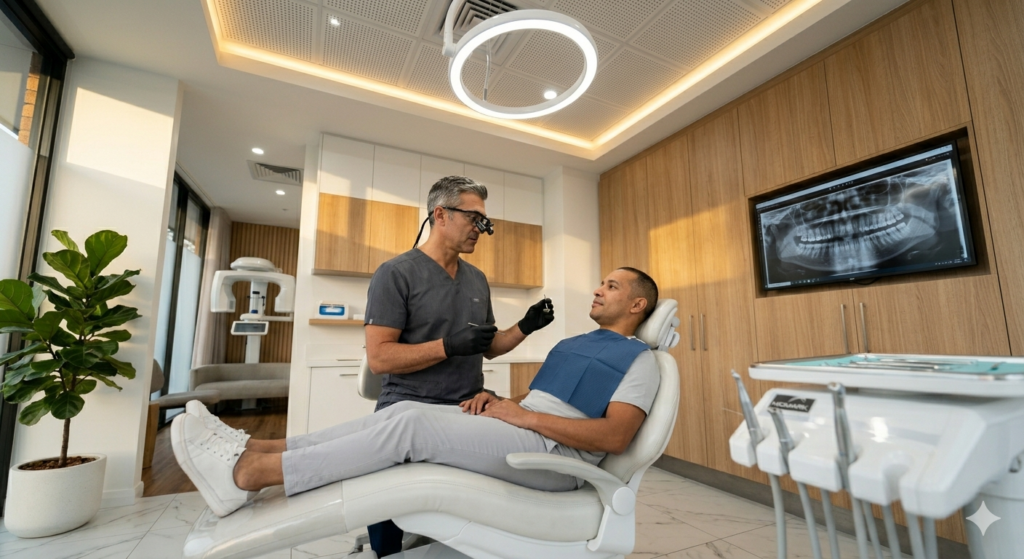
You’ll want a clear picture of dental crown costs in Encino before scheduling treatment, and this article gives that straightforward guidance. Typical crown prices in Encino range from several hundred to over a thousand dollars depending on material and procedure complexity, with porcelain and zirconia costing more than metal or resin options.
He or she will learn how different crown types, insurance coverage, and clinic choices affect the final bill, plus what to expect during the process and ways to manage costs. The post also covers modern comfort-focused techniques, realistic longevity comparisons, and practical tips for planning treatment or asking the right questions at a consultation.
Patients in Encino commonly choose crowns based on strength, appearance, and budget. Cost differences often reflect material properties, lab fees, and whether the dentist uses same-day CAD/CAM technology.
Porcelain-fused-to-metal (PFM) crowns combine a metal core for strength with a porcelain exterior for a tooth-like appearance. They work well for back teeth that need durability but also for front teeth when the metal margin can be concealed beneath the gumline.
PFM crowns can show a dark line at the gum as gums recede, and they may wear opposing natural teeth more than all-ceramic options. Lifespan typically ranges from 8–15 years with good oral hygiene and regular dental visits.
All-porcelain crowns offer superior esthetics because they mimic natural translucency and color. They suit front teeth and patients with metal sensitivities.
Porcelain-only crowns are generally less fracture-resistant than metal-backed crowns for very large restorations, so clinicians may recommend them for moderate-size crowns or lower-bite-force situations. Cost for porcelain crowns in Encino often falls in the mid-to-high range compared with metal or zirconia options.
Zirconia crowns deliver high strength and good aesthetics, making them popular for both anterior and posterior teeth. They resist chipping and can be milled as full-contour zirconia for maximum durability or layered with porcelain for improved translucency.
Zirconia fits well with CAD/CAM same-day workflows, which can reduce lab fees and shorten treatment to a single visit in some Encino practices. They are biocompatible and less abrasive to opposing teeth than traditional porcelain.
Other advanced options include lithium disilicate (e.max) and hybrid ceramic crowns. Lithium disilicate blends excellent esthetics with moderate-to-high strength, often used for veneers, inlays, and anterior crowns.
Hybrid ceramics aim to combine resilience and repairability; they can be more cost-effective for certain restorations. Dentists in Encino will recommend the material that balances appearance, bite forces, gum health, and budget considerations for each patient.
Several key elements determine the final cost a patient pays for a dental crown in Encino. Material choice, how complex the preparation and fit are, and the dentist’s experience all affect price and expected longevity.
Material drives a large share of the cost because different materials require different lab work and offer distinct longevity and aesthetics. Porcelain-fused-to-metal (PFM) crowns are commonly priced lower than all-ceramic crowns; PFMs typically cost less because the metal substructure is less expensive to manufacture, while all-ceramic options like zirconia or e.max require more precise milling and higher-cost blocks.
All-ceramic crowns (zirconia, lithium disilicate/e.max) usually cost more but provide superior translucency and a more natural color match, which matters for front teeth. Zirconia is very strong and often used for posterior crowns or patients who grind their teeth; e.max offers a balance of strength and aesthetics for visible areas.
Insurance coverage often varies by material; policies may cover the cost equivalent to a basic metal crown and require the patient to pay the difference for higher-end ceramics. Patients should ask the practice for a material-specific estimate and a lab warranty or expected lifespan for the chosen crown.
Complexity affects chair time, lab fees, and any adjunctive treatments that raise costs. Simple single-tooth crowns following routine preparation are less expensive than crowns that require root canal therapy, core build-ups, post placement, or surgical crown lengthening beforehand.
Cases that need custom shading, multiple try-ins, or adjustments for an existing partial denture will add lab and appointment fees. Likewise, same-day CAD/CAM crowns (CEREC) may have a higher single-visit fee but reduce multiple appointments and temporary crown costs.
Patients with bruxism, compromised occlusion, or extensive bite adjustments may need occlusal guards or splints alongside the crown, which increases the overall treatment package price. Practices should provide an itemized estimate listing prep, lab, and any adjunctive procedure charges.
A dentist’s training, years in practice, and reputation influence fees because they reflect skill level, refinements in technique, and predictability of outcomes. Specialists (prosthodontists) or dentists with advanced cosmetic training often charge more due to additional education and a higher success rate in complex aesthetic cases.
High-demand providers in Encino who invest in premium labs, advanced digital workflows, and extended patient care (detailed shade-matching, multiple try-ins, concierge scheduling) usually set higher prices. However, that premium can translate to fewer remakes and better long-term fit.
Patients should compare credentials, before-and-after photos, lab partnerships, and warranty policies. A higher initial fee may lower long-term costs by reducing the chance of complications or early crown failure.
Patients can expect a step-by-step process that begins with a focused exam and cost discussion, then moves to tooth preparation, impressions or digital scans, and final crown placement. Appointments typically span two visits if using a lab-made crown, or one visit with same-day CAD/CAM crowns.
The dentist performs a targeted exam of the affected tooth and surrounding tissues, including X-rays to check roots and bone. They document existing restorations, measure bite relationships, and evaluate whether a root canal or periodontal treatment is needed first.
The practice provides a written estimate that lists fees for the crown material (porcelain-fused-to-metal, all-ceramic, zirconia), laboratory charges, any preparatory procedures, and anesthesia. Insurance coverage is explained by line item; the patient receives an out-of-pocket total and payment options such as credit, CareCredit, or in-office plans.
Patients should bring insurance cards and a current medication list. The office notes cosmetic goals (shade, translucency) and functional needs (bite strength, bruxism), then schedules the appropriate appointment length—typically 60–90 minutes for preparation or 1–2 hours for a single-session CAD/CAM crown.
At the preparation visit the tooth is numbed with local anesthesia; sedation options are discussed if anxiety is an issue. The clinician removes decay or old filling material and shapes the tooth to create space for the crown, preserving as much healthy structure as possible.
If the practice uses a lab-made crown, the dentist takes a digital scan or traditional impression and places a temporary crown to protect the tooth for 1–3 weeks. For same-day crowns, a chairside milling unit scans, fabricates, and bonds the final crown during the same appointment, typically within 1–2 hours.
On the final visit the dentist checks fit, margins, contact points with adjacent teeth, and shade match under natural lighting. They adjust the bite, cement or bond the crown, and provide post-op instructions: avoid hard foods for 24 hours, maintain flossing technique, and report persistent sensitivity or looseness.
Patients in Encino typically use private dental insurance, Medi-Cal for specific dental programs, or pay out-of-pocket. Many clinics also offer financing and in-office payment plans to make crowns more affordable.
Most private dental plans cover a portion of crown costs after a deductible and waiting period. Preventive exams and X-rays are often paid at higher percentages, while restorative work like crowns is commonly covered at 50% to 80% of a PPO allowance once the deductible is met. Verification matters: offices in Encino usually check eligibility, remaining annual maximums, and whether the plan requires preauthorization before starting crown work.
Patients with Medi-Cal or other government programs should confirm covered services and network providers, because coverage for crowns can be limited to specific medical necessity cases. For out-of-network plans, some clinics will submit claims on the patient’s behalf, and patients typically pay the balance not covered by insurance at the time of service.
Many Encino dental offices offer interest-free in-office payment plans for short terms (3–12 months) or third-party financing like CareCredit for longer terms. CareCredit often provides promotional 6–24 month no-interest options or low-interest extended plans; approval depends on credit history.
Clinics commonly require an initial down payment covering part of the crown fee and any lab costs, then divide the remainder into monthly installments. Patients should get a written estimate showing the total cost, insurance portion, co-pay, and payment schedule. Transparent billing helps patients compare options and avoid surprises during treatment.
This section compares how long different crown materials last and what ongoing costs a patient can expect. It highlights typical lifespans, common failure modes, and predictable maintenance expenses so readers can weigh upfront price against long-term value.
Porcelain-fused-to-metal (PFM) crowns typically last 8–15 years with normal wear. They resist biting forces well but may show a dark metal line at the gum over time and can chip at the porcelain margin.
All-ceramic crowns (e.g., zirconia, lithium disilicate) offer superior aesthetics and strong fracture resistance. Zirconia often lasts 10–20+ years in posterior teeth under heavy chewing; lithium disilicate provides excellent front-tooth appearance and can last 8–15 years depending on bite force.
Gold and metal alloys remain the most durable, often exceeding 20 years when properly maintained. They require minimal tooth reduction and rarely fracture, but they lack tooth-like appearance, so dentists usually recommend them for molars.
Patient factors change these averages: bruxism, poor oral hygiene, and high-sugar diets shorten lifespan. Proper cementation technique and accurate crown fit also affect longevity, so lab quality and dentist experience matter.
Routine care costs are predictable: regular cleanings and exams usually run $100–$300 annually in Encino, depending on insurance and clinic. These visits prevent decay at crown margins and detect early cracks before costly replacement becomes necessary.
Repairs vary by material. Minor porcelain chips may need polishing or bonding for $150–$500. Full crown replacement in Encino commonly ranges $1,200–$2,500 for ceramic crowns and $800–$1,800 for metal–ceramic options, depending on lab fees and clinician expertise.
Indirect costs include potential root canal therapy if recurrent decay reaches the pulp; that procedure can add $800–$1,600. Night guards for bruxism run $200–$600 and can double crown lifespan for heavy grinders.
Patients should factor initial price, expected life years, and likely maintenance into decisions. A dentist can provide a written cost breakdown and projected replacement timeline tailored to the patient’s oral health, bite, and aesthetic priorities.
Modern dental care in Encino emphasizes reducing tooth removal and controlling discomfort with clear options and predictable timelines. Patients can expect techniques that preserve tooth structure, faster restorations, and multiple pain-control choices tailored to medical history and anxiety levels.
Dentists use conservative preparation methods to remove only decay and shape the tooth just enough for a crown, preserving as much natural enamel and dentin as possible. Digital impressions (intraoral scanners) replace goopy molds in many practices, creating precise models that reduce adjustment visits and improve fit.
CAD/CAM same-day crowns let a patient receive a ceramic crown in a single appointment when suitable, shortening treatment from weeks to hours. For fragile teeth, dentists may use partial crowns (onlays/inlays) or bonded ceramic overlays that strengthen cusps without full-coverage removal. When necessary, a dentist will place a provisional crown designed to protect the tooth and maintain occlusion while the lab makes the final restoration.
Local anesthetic remains the baseline: lidocaine or articaine numbs the area effectively for crown preparation and cementation. For anxious patients, nitrous oxide (laughing gas) provides quick onset relaxation and rapid recovery; it’s titratable and widely available in Encino offices.
Oral sedatives (e.g., low-dose benzodiazepines) are offered for patients with higher anxiety, with pre-visit instructions and escort requirements. Post-operative discomfort typically responds to over-the-counter NSAIDs like ibuprofen; dentists prescribe short courses of stronger analgesics only when clinically necessary. For patients with medical contraindications, clinicians coordinate with primary care to select safe anesthetic agents and analgesic plans.
Patients should request a written estimate before treatment so they know the total cost and any itemized fees. This helps compare quotes from multiple practices in Encino and avoid surprise charges.
They can ask about cheaper crown materials that still meet quality standards, such as porcelain-fused-to-metal versus full ceramic. The dentist can explain trade-offs in appearance and longevity so patients choose what fits their budget and needs.
Insurance often covers a portion of crowns; patients should verify benefits, annual maximums, and waiting periods. Calling the insurer ahead of time avoids misunderstandings and speeds approval.
Dental offices frequently offer payment plans or in-house financing to spread costs over months. Patients can request specific plan terms and calculate monthly payments before agreeing.
Consider using a dental savings plan or discount program as an alternative to traditional insurance. These plans reduce fees for many procedures and can be cost-effective for those without coverage.
Preventive care reduces the chance of needing crowns later; regular cleanings and prompt treatment of small issues save money long term. Patients should follow home-care advice and schedule checkups every six months.
Ask about combining procedures in fewer visits to reduce repeat appointment fees and time off work. Patients can also inquire about lab fees and whether the office uses local or out-of-area labs, as this can affect price.
They should bring a list of questions to the consultation and request written explanations of alternatives and expected lifespan. This makes decisions clearer and gives confidence to move forward.
Patients often hesitate about crowns because of cost or uncertainty. A clear treatment plan and transparent pricing ease that worry and help them make confident decisions.
They should start with a consultation to review options, materials, and timelines. The dentist will assess oral health, show X-rays if needed, and explain whether a traditional crown, same-day crown, or implant-supported restoration suits them best.
Insurance, financing, and payment plans matter for many families. Ask the office for an itemized estimate and available financing; comparing estimates side-by-side helps patients budget without surprises.
Comfort during treatment is a top priority. Modern local anesthesia, sedation options, and digital impressions reduce discomfort and speed care, making the process predictable and patient-friendly.
Practical next steps:
They should feel empowered to ask questions about recovery, warranties, and follow-up care. A brief phone call or online booking can set the appointment, and the dental team will guide them through preparation and what to expect on the day of treatment.
This section answers common cost, material, insurance, visit-count, and financing questions about dental crowns in Encino, CA. It gives typical price ranges, what those fees usually cover, material trade-offs, insurance steps, and practical options for timing or same-day treatment.
Complexity of the case affects price. Extensive decay, root canal treatment, post-and-core buildup, or need for gum treatment raises cost.
The material selected changes cost. Porcelain and zirconia typically cost more than metal alloys, and layered aesthetics add labor expense.
Laboratory vs. in-office fabrication alters the bill. Lab-made crowns from specialists usually cost more than same-day CAD/CAM crowns, though same-day may use different materials.
Geographic location and dentist experience matter. Practices in Encino with advanced technology or high demand often charge more than clinics with lower overhead.
In California, a single crown commonly ranges from about $900 to $2,500. Prices vary by material, lab fees, and dentist fees.
Typical fees include tooth preparation, impressions or digital scans, temporary crown, laboratory fabrication, and final placement. Separate fees sometimes apply for root canals, buildups, or extra X-rays.
Anesthesia for the appointment is usually included, but sedation beyond local anesthesia can cost extra. Ask for an itemized estimate before treatment.
Porcelain-fused-to-metal (PFM) crowns often cost $900–$1,800 and offer balanced aesthetics and strength. They may show a dark metal line at the gum if gum recession occurs.
All-porcelain crowns (e.g., lithium disilicate) range roughly $1,000–$2,200 and provide the best natural look for front teeth. They are durable for most situations but can chip under extreme bite forces.
Zirconia crowns typically cost $1,200–$2,500 and provide high strength for back teeth and bridges. Newer translucent zirconia also offers improved aesthetics with excellent fracture resistance.
Full metal (gold or high-noble) crowns cost about $900–$2,000 depending on alloy and size. They last long and require minimal tooth reduction, but they are less aesthetic for visible teeth.
Most dental plans cover part of crown costs, often 50% after meeting annual deductible. Coverage depends on whether the crown is deemed restorative necessity versus cosmetic.
Check annual maximums, deductible amounts, and waiting periods. Verify frequency limitations and whether preauthorization or a narrative of medical necessity is required.
Confirm network rules and dentist participation. In-network providers may offer lower negotiated rates, reducing the patient’s out-of-pocket share.
Many practices offer in-office payment plans that split costs over several months with little or no interest. Ask the Encino dentist about short-term plans and down payment requirements.
Third-party medical/dental financing (e.g., CareCredit and similar programs) provides longer-term options, sometimes with promotional 0% interest. Review interest rates, fees, and terms before enrolling.
Some clinics offer membership or dental savings plans that reduce fees for crowns in exchange for an annual membership. Compare total annual costs to financing fees.
Traditional crown workflows usually require two visits: one for preparation and temporary crown, and a second for final cementation. Lab turnaround commonly takes one to two weeks.
Same-day CAD/CAM crowns let a patient receive a final crown in one visit, which can reduce temporary crown costs and time off work. Same-day pricing varies; it may be similar to or slightly higher than lab-made crowns depending on material.
Complex cases requiring root canal therapy, core buildup, or gum procedures may add visits and costs regardless of whether the final crown is same-day or lab-made.